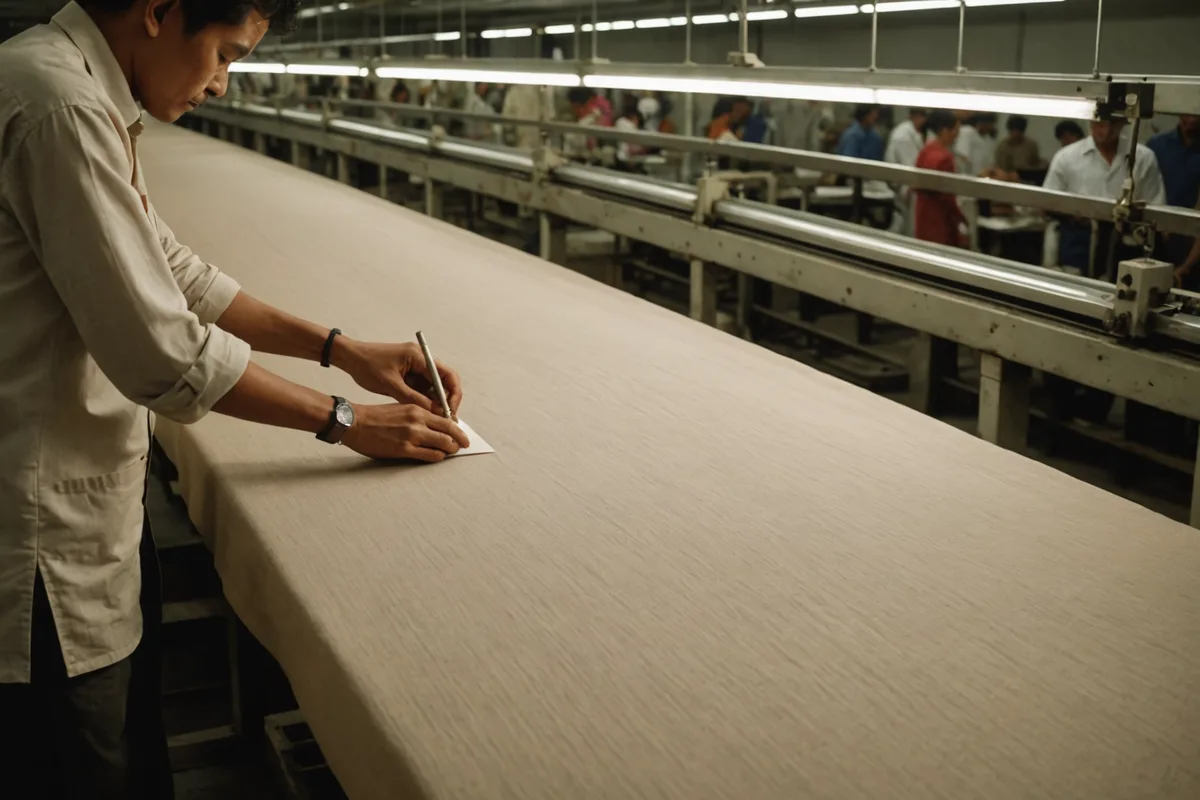
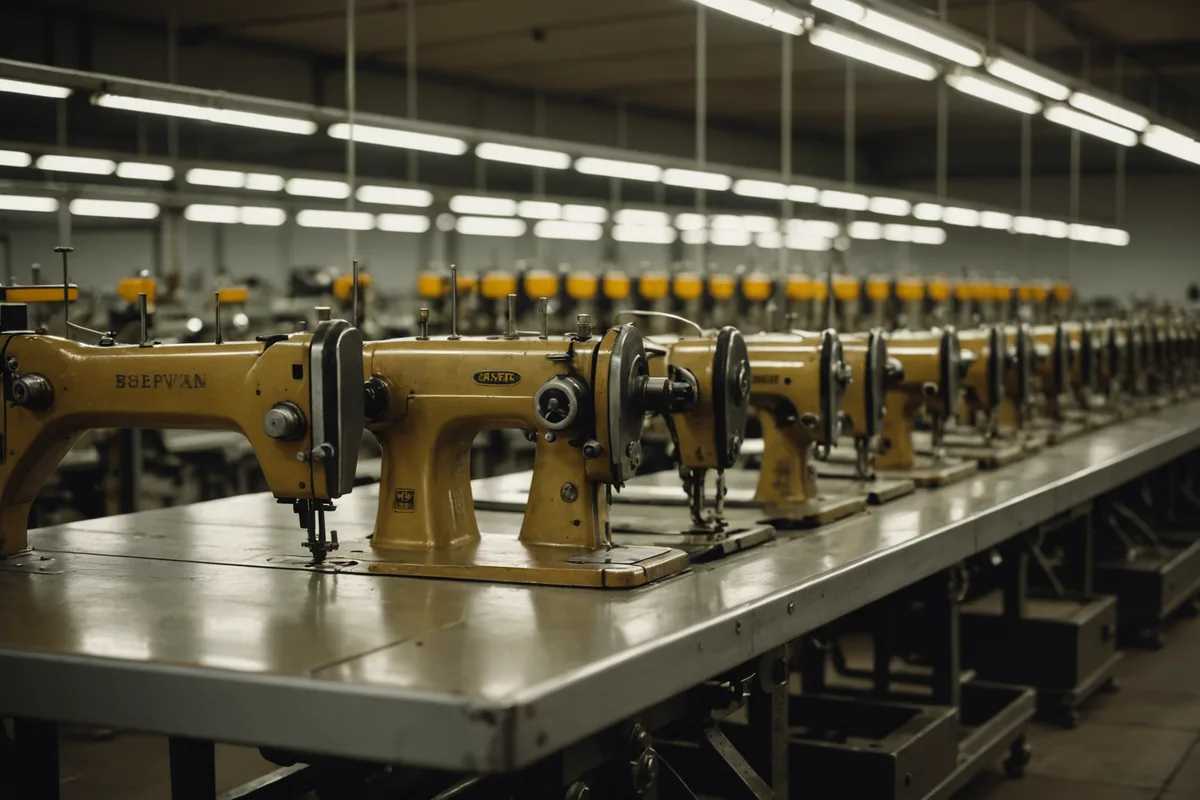
Along the Bandung-Cimahi corridor, a short drive can take a buyer from a 30-worker cut-make-trim shop sewing jersey tops to a mid-size factory running several hundred operators on woven bottoms and outerwear. That physical proximity can make Bandung look like a single sourcing market. It is not. In 2025, the area remains a dense collection of specialized operations, each with different minimums, sampling processes, scheduling habits, and limits on the work they can accept.
I have spent five years working with West Java garment manufacturers on production capacity planning and factory operations. The most useful early sourcing question is rarely, “Which factory is the best?” It is, “Which factory is set up for this product, order size, development process, and delivery window?” That distinction matters in Bandung, where a factory that performs well on one category may be poorly suited to another.
Bandung is a cluster of different factory types
Bandung and Cimahi form one of Indonesia’s largest garment manufacturing concentrations. The region’s textile history reaches back to Dutch colonial-era mills, and that history still shows up in the depth of local skills, supplier relationships, and production knowledge. It also shows up in the variety of factory models operating side by side.
At one end are small CMT operations with approximately 20 to 50 workers. They may be a good fit for a limited knitwear run, a repeat style, or a brand that already has patterns, graded measurements, approved materials, and clear production instructions. Their flexibility can be useful, but their capacity may be highly dependent on a few key people and a narrow set of machines.
Mid-size operations with roughly 200 to 500 workers generally offer more defined departments and greater production capacity. Some have dedicated cutting, sewing, finishing, quality, and packing teams. Others remain strong in one category while taking on adjacent work selectively. A larger headcount does not automatically mean a factory can develop a new product or meet a short delivery window. The production system still has to match the order.
The local landscape is also shaped by export-market experience. Indonesian garment exports primarily serve buyers in the United States, European Union, Japan, and Australia. A factory’s history with these markets can indicate familiarity with buyer documentation, inspection routines, and compliance expectations, but it should not replace a direct review of the factory’s current process.
Knit and woven capacity are not interchangeable
The first practical split is between knit and woven production. Bandung has specialists in jersey, interlock, and rib knit, as well as factories focused on shirting, bottoms, and outerwear. Some factories can handle both categories, but “we produce all garments” needs to be unpacked. The machinery, operator skills, pressing requirements, and quality checkpoints can differ substantially between a lightweight jersey top and a structured woven jacket.
Knitwear CMT operations may accept orders in the range of 200 to 300 pieces per style, particularly when the construction is familiar and the buyer supplies approved materials and technical information. Full-package woven production often starts closer to 500 to 1,000 pieces per style. These are not fixed market rules. They are useful starting points for understanding how a factory may price and schedule an order.
Ask what the stated minimum includes. A factory may quote a minimum per color, per size run, or per style. It may also require a higher quantity when the fabric must be developed, dyed, or purchased specifically for the order. A 300-piece minimum can therefore become a much larger commitment once colorways, fabric minimums, and packaging requirements are included.
| Factory consideration | Questions to ask |
|---|---|
| Product specialization | Which knit or woven categories run most often on the current floor? |
| Minimum order quantity | Is the MOQ per style, color, fabric, or total order? |
| Development process | Are patterns, samples, and technical changes handled in-house? |
| Capacity | What is already booked during the requested production window? |
| Quality control | Which checkpoints happen before cutting, during sewing, and before packing? |
Sampling capability separates more factories than websites do
Sampling is one of the clearest differences between a factory that can help develop a product and a shop that mainly converts approved work into finished units. A factory with an in-house sampling room may be able to make a first prototype, record construction changes, test measurements, and move the approved sample into production with fewer handoffs.
Other operations outsource sampling or produce a sample only after a pattern and construction package have been prepared elsewhere. That arrangement can still work. It becomes risky when the buyer assumes that the factory can solve development issues that it has never been equipped to manage.
During a first conversation, ask to see the sampling area and ask who makes pattern corrections. Request a sample timeline with named checkpoints rather than a single delivery date. A useful sequence may include first prototype, fit comments, revised sample, measurement approval, pre-production sample, and production release. The exact sequence will vary, but the responsibility for each step should be clear.
Pay attention to how the factory describes a failed sample. A development-capable team can usually explain what changed, why it changed, and what will be checked next. A conversion-only shop may focus on whether it received an approved sample, without taking responsibility for resolving fit or construction problems. Neither model is automatically wrong. The issue is whether it matches the brand’s level of product development.
Capacity changes with the calendar
Available capacity in Bandung is not constant throughout the year. The pre-Lebaran period can create significant pressure as factories manage holiday schedules, employee leave, and orders that need to ship before the break. Pre-Christmas shipping windows can create another period of tight scheduling, particularly for export-oriented production.
A factory may appear available when viewed several months ahead, then become difficult to book once fabric approvals, sample revisions, and purchase orders are complete. For this reason, brands should ask about capacity at each milestone, not just at the initial quotation stage.
Production planning should separate at least four dates: sample approval, material readiness, production start, and finished-goods completion. If a factory says it can start in six weeks, ask whether that means cutting can begin, sewing can begin, or all materials will be ready. Those dates are not interchangeable.
For a brand sourcing its first Bandung order, a simple capacity review can include:
- Current orders on the relevant sewing lines.
- Planned holiday closures and reduced operating periods.
- Material arrival dates and any fabric or trim dependencies.
- Expected approval time for samples and lab or quality checks.
- Contingency time for rework, repairs, or delayed components.
Milestone tracking is particularly useful when several orders share the same factory. A missed sample date may not cause an immediate visible delay, but it can reduce the available sewing window later. Tracking checkpoint velocity, rather than waiting for the final ship date, gives a brand an earlier view of that risk.
A realistic first-order path
Consider a brand planning a 600-piece woven overshirt in two colors. It has a complete tech pack but limited experience with Indonesian production. The team contacts three Bandung-area factories. One is a small knit CMT shop that can offer an attractive price but has little woven outerwear experience. Another has the right sewing lines but outsources all sampling. The third has an in-house sampling room, regular woven production, and an opening in its schedule after the requested fabric arrival date.
The third factory may appear to be the obvious choice, but the brand still needs to test the fit. It should ask whether the 600-piece quantity is sufficient for the factory’s per-color and fabric requirements, confirm who will source or inspect the fabric, and request the proposed sample and production checkpoints. If the first sample reveals a sleeve or collar issue, the brand should know how revisions affect the production slot.
It may also decide that the second factory is workable if the brand’s own technical team can manage development and the outsourced sample room has a reliable timeline. The right decision depends less on the lowest quoted price than on the amount of development support the order requires.
What can go wrong when the factory looks right on paper
A factory can have the correct product category, a reasonable MOQ, export experience, and an apparently open schedule, yet still become a poor production partner. The most common problem is a gap between stated capability and current operating reality.
The factory may have produced woven outerwear before, but its experienced operators could now be assigned to another line. Its sample room may exist, but be overloaded with development work. Its quoted lead time may assume that all materials arrive without inspection issues. A factory may also accept an order while relying on subcontractors for embroidery, washing, printing, or part of the sewing process. Those outside steps add handoffs that need their own dates and quality checks.
This is why a factory visit or video review should focus on the live process, not only the equipment list. Ask to see a current production line, the sample area, the cut bundles, and the finished-goods inspection process where possible. Ask what happens when a measurement is out of tolerance or a material arrives late. The response reveals more about operating discipline than a general promise to meet quality standards.
This article is not saying that small factories are unreliable or that larger factories are automatically safer. It is saying that the factory’s structure must fit the order’s technical and scheduling demands. A small CMT operation may be the right choice for a straightforward 250-piece knit program. A larger woven specialist may still be the wrong choice if its production calendar cannot protect the required window.
Make the first contact operational
A useful first inquiry to a Bandung factory should include more than a product image and target price. Share the product category, estimated quantity by style and color, target delivery window, development needs, material responsibilities, and destination market. This allows the factory to respond to the actual production problem rather than a simplified request.
For brands working with Indonesian factories, SPUN is designed to connect sourcing conversations with production follow-through. The platform is in an early-access pilot stage and tracks milestones, checkpoint velocity, and delay risk for placed orders. It does not replace factory evaluation or technical communication. It gives teams a clearer record of what was agreed, what has moved, and where a schedule is beginning to slip.
In Bandung, the strongest sourcing decisions usually come from matching the product to the factory’s real operating pattern. The useful signal is not a broad claim of capability. It is evidence that the factory can sample this product, run this quantity, manage its materials, and protect the relevant production window.